
Sovereign S3 storage: what the term covers
Sovereign S3 is a market term, not a certificate. See which layers matter, which S3 settings keep control with you, and which Luxembourg rules apply.
Sep 30, 2026
Roadworks and civil digging cut underground fiber lines every single day. Here is what protects enterprise infrastructure from going dark when physical lines snap.

Underground cables are cut far more often than telecom marketing suggests. In dense business districts and along highway corridors, road expansion and civil excavation constantly disturb underground utility corridors. When an excavator bucket snags an unmarked concrete conduit, it takes only seconds to sever high-count optical fiber bundles carrying terabits of live corporate traffic.
For infrastructure hosted inside a professional facility, that physical snap is the ultimate test of network architecture. Splicing hundreds of individual glass fibers inside a muddy roadside pit takes anywhere from six to fourteen hours. Whether that incident turns into a full business blackout depends entirely on how the facility handles physical and logical redundancy.
Many companies believe they are protected simply because they purchase transit from two different telecom providers. In reality, multiple brand names often lease capacity over the exact same physical glass, or worse, enter the building through the exact same trench.
If two separate carriers share a single conduit running under the facility parking lot, a single backhoe stroke destroys both feeds simultaneously. True resiliency requires diverse building entry points:
Separated entry routes: Conduit banks entering the building on completely opposite sides of the property perimeter.
Diverse trenching paths: Fiber runs that physically follow different municipal roads and geographical directions toward the core network.
Independent meet-me rooms: Internal distribution paths that prevent a localized fire or power fault from wiping out internal patch panels.
Physical route separation is only half the battle. When a laser signal drops dead on one line, the data center cannot wait for human operators to wake up, diagnose the outage, and manually reroute IP traffic.
Enterprise facilities rely on automated BGP (Border Gateway Protocol) routing across carrier-neutral networks. When loss of light or sudden packet drop is detected on a primary transit link, the routing engine withdraws the bad route in sub-second intervals. Traffic immediately shifts across alternate carriers and local peering nodes, such as LU-CIX, before active database synchronizations, VoIP calls, or web transactions drop their TCP state.
High availability is not an emergency response plan; it is a mechanical and architectural choice made before a rack is ever powered on. When assessing an infrastructure provider, look past the uptime percentage promises printed on the sales brochure:
Ask to see the physical building entry plans and confirm they run along separate trenches.
Verify true carrier neutrality so you are never held hostage by a single provider’s maintenance window.
Test automated failover regularly rather than discovering protocol misconfigurations during an actual street excavation.

Sovereign S3 is a market term, not a certificate. See which layers matter, which S3 settings keep control with you, and which Luxembourg rules apply.
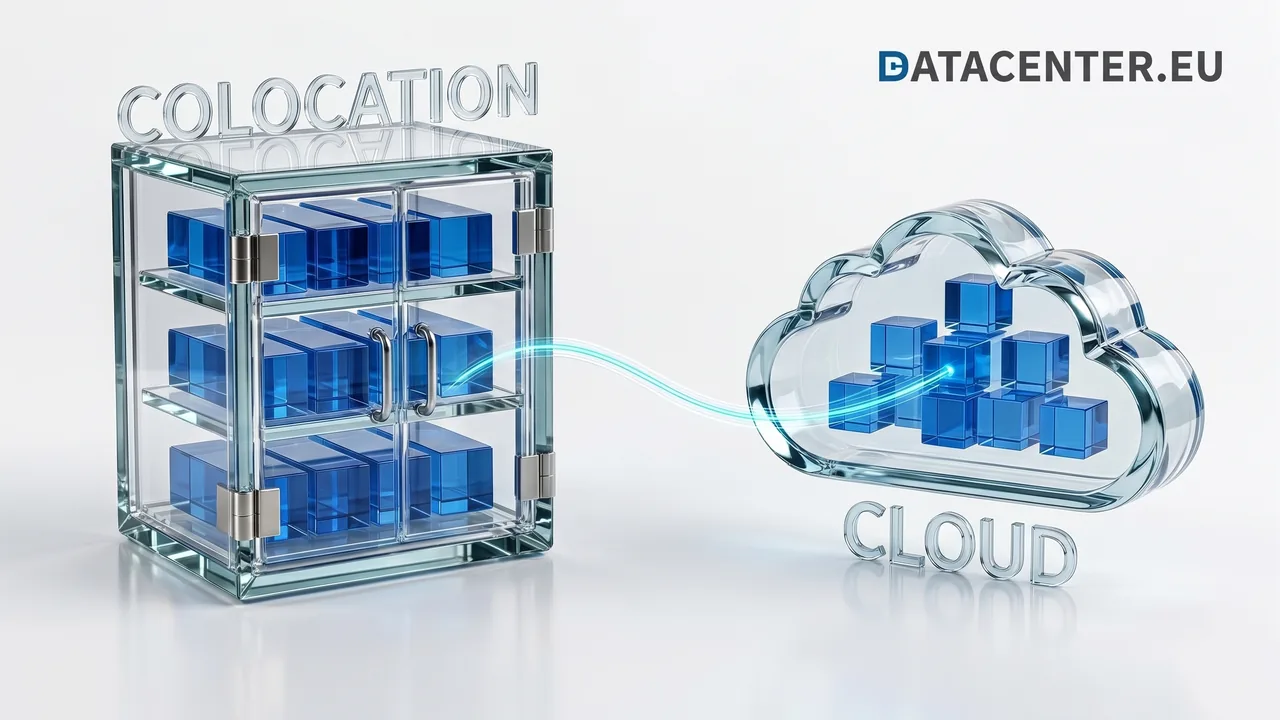
Both put your workload in a professional datacenter. They differ in who owns the hardware, who carries the risk, and how you pay for it.

Both keep your data in a secure facility. They differ in which laws govern your infrastructure, who can legally access it, and where true jurisdiction lies.