
Sovereign S3 storage: what the term covers
Sovereign S3 is a market term, not a certificate. See which layers matter, which S3 settings keep control with you, and which Luxembourg rules apply.
Sep 30, 2026
Both keep your data in a secure facility. They differ in which laws govern your infrastructure, who can legally access it, and where true jurisdiction lies.
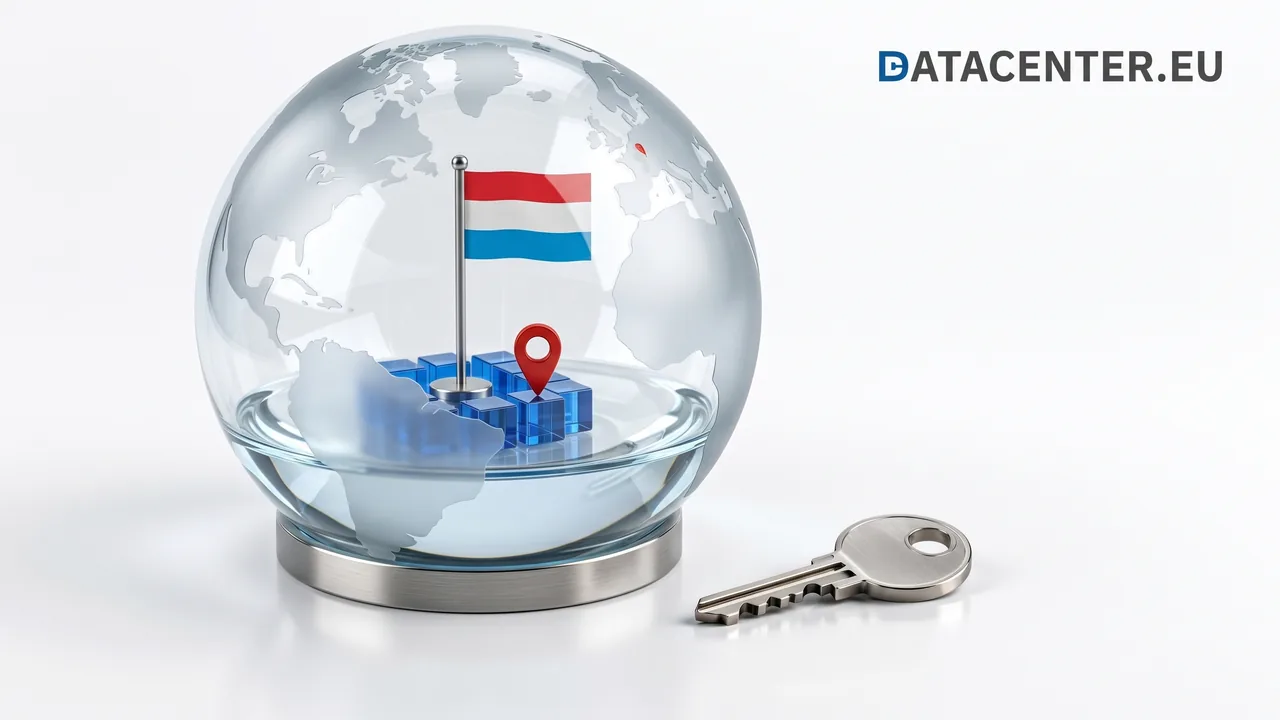
Data residency means knowing the physical country where your bits are stored. Data sovereignty means knowing which legal system and government can compel access to them.
A server located in Luxembourg can satisfy a residency requirement while failing a sovereignty requirement if the parent company operating that infrastructure answers to non-European laws.
Local infrastructure suits any workload where legal jurisdiction, regulatory oversight, and audit trails must stay strictly within the European Union.
You handle regulated financial, health, or public sector records subject to CSSF or EU compliance mandates.
Your legal department requires immunity from extraterritorial surveillance legislation like the US Cloud Act.
You need an auditor or engineer to physically inspect the facility and verify custody without third-party gatekeepers.
You want contracts governed by Luxembourg law, backed by a local operating entity.
Hyperscale infrastructure suits workloads where regional jurisdiction is secondary to global distribution or proprietary platform tools.
You run consumer applications serving users across five continents simultaneously with zero latency expectations.
Your architecture relies entirely on proprietary managed services (BigQuery, CosmosDB, specialized AI endpoints).
The data stored is transient, public, or holds no sensitive business or client privacy footprint.
Legal jurisdiction risks are secondary to platform convenience for that specific microservice.
Who signs the contract? If you sign with a local European entity, local courts and EU privacy laws govern the relationship. If you sign with a subsidiary of an overseas corporate parent, extraterritorial legal requests can bypass local jurisdiction.
Can you physically audit the chain of custody? Knowing the address on the map is not enough. You must know who holds the keys to the physical cage and which badge logs exist.
What happens during an external compliance review? A simple checkmark on a brochure does not satisfy an institutional regulator. Direct access to data center certifications (ISO 27001, Tier classifications) does.
Does GDPR automatically mean data stays in Europe?
No. GDPR sets rules on how data must be processed and transferred. It does not prevent an overseas parent provider from having technical and legal backdoors governed by foreign law.
Is hosting locally in Luxembourg enough to be compliant?
Only if the operational chain—from network transit to physical facility access—is handled under local jurisdiction without foreign parent company dependencies.
Can I split regulated data and public application layers?
Yes. A proven architecture keeps sensitive customer records, databases, and core business logic in a local Luxembourg data center while consuming external compute only for stateless tasks.
Data residency vs data sovereignty: how to choose

Sovereign S3 is a market term, not a certificate. See which layers matter, which S3 settings keep control with you, and which Luxembourg rules apply.

Both put your workload in a professional datacenter. They differ in who owns the hardware, who carries the risk, and how you pay for it.

Roadworks and civil digging cut underground fiber lines every single day. Here is what protects enterprise infrastructure from going dark when physical lines snap.